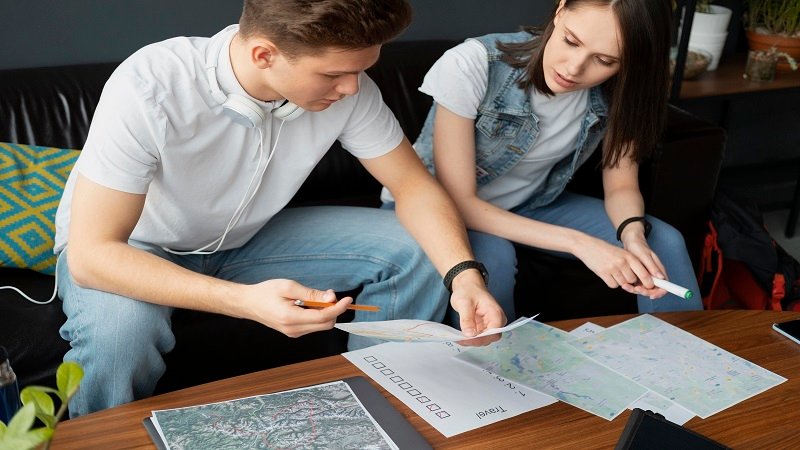
Traveling is one of the most exciting ways to explore new places, experience different cultures, and create unforgettable memories. However, every successful journey requires proper planning, reliable directions, and an understanding of the destination. Whether someone is planning a weekend getaway, a family vacation, a business trip, or an international adventure, having access to useful maps and travel information can make the entire experience easier. This is where the concept of Map Guides TtweakMaps TravelTweaks becomes valuable.
Map guides are essential travel resources that help people understand destinations, identify important locations, discover attractions, and plan efficient routes. They provide more than simple directions because they can also help travelers organize their schedules, explore unfamiliar surroundings, and make informed decisions during their journeys.
TtweakMaps TravelTweaks represents a travel-focused approach to using maps and navigation resources more effectively. By combining destination information, route planning, geographical guidance, and practical travel suggestions, this concept highlights how travelers can make their journeys more organized and enjoyable.
In this comprehensive guide, we will explore map guides, their importance, useful features, travel-planning benefits, navigation techniques, and practical tips for getting the most out of mapping resources.
1. Understanding Map Guides TtweakMaps TravelTweaks
Map Guides TtweakMaps TravelTweaks can be understood as a travel-planning concept centered on using maps, geographical information, and helpful travel suggestions to improve the overall journey.
Traditional maps show roads, cities, landmarks, and geographical boundaries. Modern digital mapping resources go further by offering interactive directions, estimated travel times, location details, and route alternatives.
For travelers, these features make it easier to understand a destination before arriving. Instead of depending entirely on printed directions or asking strangers for guidance, people can use digital maps to explore locations and organize their travel plans.
The main purpose of this approach is to make navigation more convenient while helping travelers save time and avoid unnecessary confusion.
Whether someone is exploring a popular tourist destination or visiting a quiet countryside location, map-based travel guidance can provide valuable information.
2. Why Map Guides Are Important for Travelers
Maps play an important role in almost every type of travel. They help people understand where they are, where they want to go, and how they can reach their destinations.
Without proper navigation, travelers may experience unnecessary delays, miss important attractions, or spend additional money on transportation.
Here are several reasons why map guides are useful.
Better Destination Understanding
A map provides a clear picture of the destination’s geographical layout. Travelers can identify nearby cities, neighborhoods, tourist attractions, transportation stations, and important facilities.
Understanding the surroundings before arriving can make the journey more comfortable.
Efficient Route Planning
Route planning allows travelers to compare different ways of reaching a destination. They can consider distance, estimated travel time, road conditions, and available transportation options.
This helps people choose practical routes according to their schedules and preferences.
Reduced Travel Confusion
Visiting an unfamiliar place can sometimes feel overwhelming. A reliable map helps travelers identify their current position and follow directions with greater confidence.
It is especially useful when exploring large cities, unfamiliar neighborhoods, or complicated road networks.
Better Time Management
Travelers often have limited time to explore a destination. Maps help them organize attractions according to their geographical locations.
For example, visiting several nearby attractions on the same day can reduce unnecessary transportation and provide more time for sightseeing.
3. Essential Features of Modern Travel Map Guides
Modern mapping resources include several features that make travel planning easier. Understanding these features helps travelers use digital maps more effectively.
Interactive Maps
Interactive maps allow users to zoom in, zoom out, move around, and explore different geographical areas.
Unlike traditional paper maps, interactive maps provide a flexible experience. Travelers can examine individual streets, discover nearby locations, and understand the layout of an area.
Turn-by-Turn Navigation
Turn-by-turn navigation provides directions throughout a journey. It guides travelers through individual road sections and helps them identify upcoming turns.
This feature is particularly useful when driving in unfamiliar cities.
Location Search
Location search allows travelers to find specific destinations by entering names, addresses, or categorie
For example, someone can search for hotels, restaurants, museums, shopping centers, hospitals, or transportation stations.
Distance and Travel Time Estimates
Mapping tools can estimate how far two locations are from each other and how long a journey might take.
These estimates help travelers create realistic schedules and avoid planning too many activities in a limited period.
Alternative Routes
Sometimes the shortest route is not necessarily the most convenient. Alternative routes allow users to compare different travel options.
A longer route may be preferable if it offers better roads, fewer traffic problems, or easier access.
Offline Map Access
Offline maps are especially valuable when traveling internationally or visiting areas with unreliable internet connections.
Downloading maps before departure allows travelers to access important geographical information without depending entirely on mobile data.
4. How TtweakMaps TravelTweaks Can Support Travel Planning
A well-organized map guide can support different stages of a journey, from the initial planning process to the final return home.
The following approach explains how travelers can use map-based resources effectively.
Step 1: Select Your Destination
Begin by choosing the destination you want to visit. Research its geographical location, surrounding areas, major attractions, and available transportation options.
Understanding the destination will help you make better decisions during the planning process.
Step 2: Identify Important Locations
Create a list of places you want to visit. These may include historical landmarks, natural attractions, restaurants, shopping areas, museums, and recreational destinations.
Add these locations to your preferred mapping application when possible.
Step 3: Compare Different Routes
Examine the available routes between your accommodation and the attractions you want to explore.
Consider road conditions, distance, estimated travel time, and transportation availability.
Step 4: Organize Your Daily Schedule
Group nearby attractions together to create practical daily travel plans.
For example, you can explore historical sites in one neighborhood in the morning and visit nearby restaurants or shopping areas later in the day.
Step 5: Prepare Backup Navigation Options
Technology does not always work perfectly. Mobile batteries can run out, internet connections can become unavailable, and navigation applications may occasionally provide inaccurate information.
Save important addresses and download offline maps whenever possible.
5. Benefits of Using Digital Maps for Travel
Digital mapping technology has changed the way people explore the world. It provides convenient access to geographical information and helps travelers make more informed decisions.
Some important benefits include:
Convenience: Travelers can access maps from smartphones, tablets, and computers without carrying multiple paper maps.
Flexibility: Digital maps make it easy to change destinations, explore alternative routes, and update travel plans.
Improved Accessibility: People can search for nearby services such as pharmacies, restaurants, fuel stations, and accommodation.
Better Organization: Saving important locations makes it easier to manage sightseeing activities and transportation arrangements.
Real-Time Information: Some mapping applications provide traffic updates, road closures, and changing travel conditions.
Cost Management: Better route planning can reduce unnecessary driving and help travelers make more efficient transportation choices.
Together, these advantages make digital maps valuable resources for modern travelers.
6. Using Map Guides for Different Types of Travel
Different travelers have different requirements. A map guide can support various travel styles depending on the destination and purpose of the journey.
Family Vacations
Families often need to consider accommodation, restaurants, entertainment facilities, hospitals, and child-friendly attractions.
A map helps parents identify suitable destinations and organize activities without spending too much time traveling between locations.
Solo Travel
Solo travelers may visit unfamiliar destinations independently. Maps can help them understand their surroundings, identify public transportation routes, and locate essential services.
Saving accommodation addresses and emergency locations is also a useful precaution.
Road Trips
Road trips require careful route planning because travelers may cover long distances and visit several destinations.
Mapping resources help identify fuel stations, rest areas, restaurants, accommodation, and alternative roads.
Business Travel
Business travelers often work with strict schedules. Maps help them locate meeting venues, offices, hotels, airports, and restaurants.
Checking estimated travel times before appointments can help reduce the risk of arriving late.
Adventure Travel
People visiting mountains, forests, deserts, and remote areas may need specialized maps.
Topographical maps, hiking trail maps, and offline navigation tools can provide important geographical information. Travelers should also check local safety guidance because ordinary road-navigation maps may not accurately represent hiking conditions.
7. Popular Digital Mapping Tools for Travelers
Travelers can choose from several established mapping platforms. Each offers different features depending on the user’s requirements.
Google Maps
Google Maps is one of the most widely used navigation services. It provides driving, walking, cycling, and public transportation directions in supported locations.
Users can also explore businesses, restaurants, attractions, and other points of interest.
Its offline map feature can be useful when traveling through areas with limited connectivity.
Apple Maps
Apple Maps provides navigation and location information through Apple devices.
It offers driving and walking directions, supported public transportation information, and detailed location features in selected regions.
Maps.me
Maps.me is known for its offline mapping capabilities. It can be useful for travelers who want to access geographical information without maintaining a constant internet connection.
Waze
Waze focuses primarily on road navigation and community-reported driving information.
It can help drivers identify traffic conditions, reported road hazards, and alternative routes where supported.
OpenStreetMap
OpenStreetMap is a collaborative mapping project that provides geographical information contributed by a global community.
Its data supports many third-party mapping applications and can be particularly useful for exploring geographical details.
These platforms are independent services. Travelers should compare their features and select the tools that best match their destinations and transportation requirements.
8. Practical Tips for Getting the Best Results from Map Guides
Using a map is simple, but applying a few practical techniques can make navigation more effective.
Download maps before departure: If you expect limited internet access, download the required geographical areas in advance.
Save important destinations: Bookmark your hotel, airport, transportation stations, and planned attractions.
Check traffic conditions: Before starting a journey, review available traffic information and consider alternative routes.
Verify location details: Check business addresses, operating hours, and contact information before visiting.
Keep your device charged: Carry a power bank when relying on smartphone navigation during long journeys.
Use more than one navigation resource: Having a backup map or saved directions can be helpful if your primary application becomes unavailable.
Check local transportation rules: Road signs, driving regulations, and transportation systems can differ between countries.
Stay aware of your surroundings: Do not follow navigation instructions blindly. Always prioritize road signs, local guidance, and personal safety.
These simple habits can reduce common navigation problems and make traveling more comfortable.
9. Common Challenges in Digital Map Navigation
Although digital maps offer many advantages, they also have limitations. Travelers should understand these challenges before depending entirely on technology.
Incorrect Location Information
Some locations may have outdated addresses, incorrect business details, or inaccurate map markers.
Checking official websites or contacting businesses directly can help confirm important information.
Weak Internet Connectivity
Remote areas and certain international destinations may have limited mobile network coverage.
Offline maps and saved directions provide useful backup options.
GPS Accuracy Problems
GPS signals may become less reliable inside buildings, underground areas, or locations surrounded by tall structures.
Travelers should compare map directions with visible signs and geographical landmarks.
Unexpected Road Closures
Construction, accidents, weather conditions, and local events can affect planned routes.
Checking current road information before departure can help reduce delays.
Overdependence on Technology
Relying entirely on digital navigation can become problematic if a device loses power or stops working.
Keeping essential addresses, emergency contacts, and backup directions available is a sensible precaution.
10. The Role of Technology in the Future of Travel Maps
Travel mapping technology continues to develop as digital services become more advanced.
Artificial intelligence, improved satellite information, real-time data, and location-based services are creating new opportunities for travel planning.
In the future, travelers may benefit from increasingly personalized route recommendations based on their interests, available time, transportation preferences, and travel budgets.
Augmented reality may also make navigation easier by displaying directions over real-world surroundings through compatible devices.
Improved offline functionality could provide more reliable access to maps in remote destinations.
However, accurate geographical information, privacy protection, and responsible technology use will remain important considerations.
The central purpose of these developments is to make travel planning more accessible, informative, and efficient.
11. How to Create a Personalized Travel Map Guide
Creating a personal travel map is a useful way to organize a trip according to individual interests.
Start by selecting your destination and identifying the places you want to explore. Divide these locations into categories such as accommodation, attractions, restaurants, transportation, and emergency services.
Next, save each location in a mapping application. Review the distances between destinations and arrange them into convenient daily groups.
Consider the amount of time required for each activity. A museum visit, hiking experience, or historical tour may require several hours, while a nearby restaurant visit may take considerably less time.You should also include backup options in case weather conditions or unexpected events affect your original schedule.
Finally, share your map with trusted travel companions when appropriate. This allows everyone to understand the planned destinations and important travel arrangements.
A personalized map guide provides a practical overview of the journey and makes it easier to adjust plans when necessary.
12. Why Map Guides Are Useful for Modern Travelers
Modern travel involves more choices than ever before. People can visit international cities, explore remote natural locations, discover local attractions, and arrange transportation through digital services.
However, having access to many destinations does not automatically make travel planning easier.
Travelers still need reliable information, realistic schedules, and practical navigation methods.
Map guides help connect these different elements. They allow people to understand geographical relationships, compare travel routes, and locate important services.
The TtweakMaps TravelTweaks concept emphasizes the importance of combining navigation with useful travel knowledge.
Rather than simply finding the fastest route, travelers can use maps to create more meaningful journeys that balance convenience, exploration, and personal interests.
Conclusion
Map Guides TtweakMaps TravelTweaks highlights the value of combining geographical information, modern navigation technology, and practical travel-planning techniques. Maps are no longer limited to showing roads and locations. They have become useful resources for discovering destinations, organizing activities, comparing routes, and managing journeys.
Whether planning a family vacation, solo adventure, business trip, or long-distance road journey, reliable map guides can make traveling more organized and enjoyable.
Digital platforms such as Google Maps, Apple Maps, Maps.me, Waze, and OpenStreetMap provide different tools that support modern navigation. By understanding their features and limitations, travelers can choose suitable resources for their needs.
The most effective travel planning approach combines digital convenience with preparation, local knowledge, and awareness of surroundings. Saving important locations, downloading offline maps, checking route conditions, and keeping backup directions can help prevent common travel difficulties.
Ultimately, smarter travel is not just about reaching a destination quickly. It is about making informed decisions, exploring confidently, and enjoying every part of the journey. With thoughtful map planning and useful travel guidance, every trip can become a more organized and rewarding experience. Read More techmindora