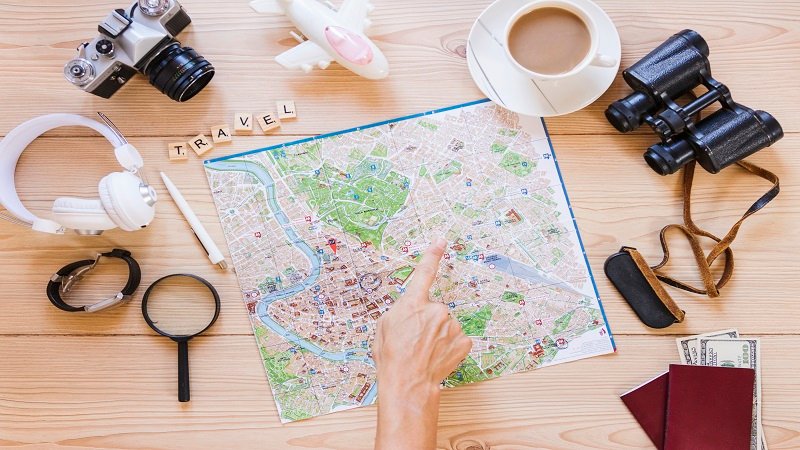
Traveling to new destinations can be exciting, but exploring unfamiliar places often comes with challenges. Finding the right routes, identifying popular attractions, understanding local areas, and organizing travel schedules can take considerable time. Maps and travel guides make these tasks easier by providing useful geographical information and helping travelers navigate their journeys more confidently.
Map Guides TtweakMaps by TravelTweaks represents an approach to travel planning that focuses on combining map-based guidance, destination information, route planning, and practical travel tips. Whether someone is preparing for a family vacation, planning a solo adventure, or exploring a new city, organized map guides can make the entire experience more convenient.
In this article, we explore the concept of Map Guides TtweakMaps by TravelTweaks, its potential features, practical benefits, navigation strategies, and ways travelers can use map-based information to make better travel decisions.
1. What Are Map Guides TtweakMaps by TravelTweaks?
Map Guides TtweakMaps by TravelTweaks can be understood as a travel-planning resource designed to help people explore destinations with better geographical awareness and preparation. Instead of treating a map as nothing more than a collection of roads and location markers, this approach focuses on the wider travel experience.
A useful map guide brings together information about destinations, transportation routes, attractions, nearby facilities, and places worth visiting. It allows travelers to understand how different locations connect and how much time they may need to explore a particular area.
The central idea is to make travel information easier to understand and apply. For example, someone visiting a large city may want to explore historical buildings, local markets, restaurants, parks, and museums. Rather than searching for each destination separately, an organized map guide can help bring these locations together.
The TravelTweaks material also emphasizes discovering places beyond common tourist routes and understanding local environments before visiting them.
2. Why Map Guides Are Important for Modern Travelers
Travel planning has become more digital, but having access to many online resources does not always make organizing a journey easier. Travelers often switch between navigation applications, travel blogs, transportation websites, weather services, and destination guides.
This process can become confusing, particularly when visiting an unfamiliar country or city. Map guides help address this challenge by organizing important geographical information in a visual format. Travelers can see where destinations are located, identify nearby attractions, and understand the distances between different places.
Some important reasons map guides are useful include:
-
Better organization: Travelers can arrange destinations and activities before leaving home.
-
Improved navigation: Maps help users understand directions and geographical relationships.
-
Time management: Route planning makes it easier to organize daily activities.
-
Destination discovery: Travelers can identify interesting locations beyond popular tourist attractions.
-
Reduced confusion: Having essential locations in one organized reference makes travel preparation easier.
A well-prepared map guide can also make group travel more convenient because everyone can understand the planned destinations and meeting points.
3. Understanding the Main Features of TtweakMaps
The usefulness of a travel map depends on the information it provides and how easily travelers can understand it. The TtweakMaps concept focuses on combining geographical guidance with practical travel information.
Here are several features and capabilities associated with this approach.
Location-Based Travel Information
Location information is one of the most important elements of any travel map. It helps users identify important places and understand their surroundings.
For example, a destination guide may highlight:
-
Popular tourist attractions
-
Historical buildings and landmarks
-
Hotels and accommodation areas
-
Restaurants and cafés
-
Shopping centers and local markets
-
Parks and recreational locations
-
Transportation stations
These locations can help travelers build a clearer picture of their destination before arriving.
Route Planning and Distance Awareness
Route planning is another important part of map-based travel preparation. Travelers need to understand how far destinations are from one another and which routes are practical. A good map guide can help users compare possible journeys and organize stops in a logical order. For example, someone planning a city tour might visit three nearby attractions in the morning before traveling to another part of the city for lunch. This approach can reduce unnecessary transportation and save valuable time. However, estimated distances and travel times should always be checked against current navigation information, traffic conditions, and local transportation schedules.
Customized Map Markers
Map markers make it easier to identify different types of destinations. Travelers can use separate symbols or colors to organize their interests.
For example:
-
Red markers can represent important attractions.
-
Blue markers can identify accommodation.
-
Green markers can highlight parks and outdoor destinations.
-
Yellow markers can represent restaurants and cafés.
This simple organization makes a map easier to read, especially when planning longer trips with multiple destinations.
Travel Notes and Destination Details
A map becomes more useful when it includes practical information alongside geographical locations. Travelers may want to record opening hours, entrance requirements, estimated visiting times, parking availability, and other important details. For instance, a person planning to visit a historical museum can add a note about its opening schedule and ticket requirements. This reduces the chances of arriving at an inconvenient time. These notes also help travelers remember why they selected a particular destination.
4. How Map Guides Improve Travel Planning
Planning a successful trip involves more than choosing a destination. Travelers must consider transportation, accommodation, available activities, schedules, and personal preferences. Map-based planning helps bring these elements into a more understandable structure. The first step is selecting the destination. After deciding where to travel, users can identify the main attractions and important locations they want to explore. The second step is arranging these locations geographically. Instead of choosing destinations randomly, travelers can group nearby places together. The third step involves estimating travel time. This helps users understand whether their planned activities are realistic. Finally, travelers should prepare alternative arrangements. Weather changes, transportation delays, unexpected closures, and other circumstances can affect travel plans. A flexible map guide allows travelers to adjust their schedules without losing sight of their main objectives.
5. Discovering Hidden Attractions and Local Experiences
One of the most enjoyable parts of traveling is discovering places that are not always included in popular tourist itineraries. Famous landmarks are worth visiting, but smaller attractions can sometimes provide more memorable experiences. Local markets, quiet neighborhoods, traditional restaurants, community parks, and independent cultural spaces can help travelers understand the character of a destination. Map Guides TtweakMaps by TravelTweaks emphasizes exploration beyond basic point-to-point navigation. This approach encourages travelers to look at surrounding areas and consider destinations that may otherwise be overlooked. For example, a traveler visiting a historic city might initially plan to see only its main monuments. However, exploring the surrounding map could reveal a traditional market, a peaceful garden, or a neighborhood known for local food.
Before visiting unfamiliar places, travelers should check recent reviews, opening information, accessibility, and local safety guidance.
6. Using Map Guides for Road Trips
Road trips require careful planning because travelers often cover long distances and pass through different geographical environments.
A useful road-trip map should identify the starting point, destination, major roads, fuel stations, accommodation options, and possible rest stops.
Travelers should also consider the availability of services along the route. Some rural roads may have limited fuel stations, restaurants, or mobile connectivity.
For a successful road trip, consider these recommendations:
-
Select a practical starting point and final destination.
-
Identify major towns and important stops along the route.
-
Estimate driving distances and journey duration.
-
Locate fuel stations and suitable rest areas.
-
Check road conditions before departure.
-
Prepare alternative routes when possible.
-
Save essential route information for offline access.
A map guide can support the planning process, while a dedicated navigation application can provide live directions and traffic updates.
7. Exploring Cities with Better Navigation
Large cities can be difficult to explore because of busy streets, complicated road networks, crowded public transportation, and unfamiliar neighborhoods.
Map guides make urban exploration more manageable by helping visitors understand how different parts of a city connect.
For example, travelers can organize their visits around specific neighborhoods instead of repeatedly crossing the city.
A practical city exploration plan might include:
-
Morning visits to historical attractions.
-
Afternoon shopping in nearby commercial areas.
-
Evening meals at local restaurants.
-
Visits to parks or entertainment areas when time permits.
Public transportation maps are also valuable for city travel. Metro systems, bus routes, railway stations, and transfer points help visitors choose affordable and convenient transportation.
Understanding the layout of a city before exploring it can reduce unnecessary travel and make the experience more enjoyable.
8. The Importance of Offline Maps and Preparation
Internet connectivity is not always reliable during travel. International roaming can be expensive, rural areas may have weak signals, and some destinations have limited network coverage.
This makes offline preparation particularly important.
Travelers should download available offline maps before leaving areas with reliable internet access. They should also save important addresses, accommodation details, emergency contact information, and transportation instructions.
It is important to understand that not every map guide automatically provides offline functionality. Users should check whether their chosen mapping service supports downloading maps or saving information for offline use.
A few practical preparation steps include:
-
Downloading destination maps in advance.
-
Saving hotel and accommodation addresses.
-
Keeping screenshots of important directions.
-
Carrying a portable power bank.
-
Saving emergency contact numbers.
-
Keeping a physical map for remote journeys when appropriate.
Combining digital and traditional resources provides an additional layer of confidence when traveling through unfamiliar environments.
9. Cultural Awareness and Responsible Exploration
Understanding local culture is an important part of responsible travel. A destination is more than its roads, attractions, and accommodation options. It also has traditions, customs, community expectations, and cultural values.
Travelers should research local etiquette before visiting unfamiliar places.
For example, some religious sites require modest clothing, while certain cultural attractions have specific photography restrictions. Local markets may also have different shopping customs and expectations.
A thoughtful travel map can include reminders about these considerations alongside destination information.
Responsible exploration also means respecting local communities, protecting historical locations, avoiding littering, and following environmental guidelines.
Travelers should avoid entering restricted areas simply because a digital map shows a nearby route. Official signs, local instructions, and safety recommendations should always take priority.
10. Benefits of Map Guides for Different Types of Travelers
Map guides are useful for different travel styles because everyone approaches a journey with different expectations.
Solo Travelers
Solo travelers often need to manage transportation, accommodation, and daily activities independently. Organized maps help them identify important places and prepare routes before exploring.
They can also save accommodation locations, nearby restaurants, transportation stations, and emergency facilities.
Families
Family trips require additional planning because travelers may have children or older family members with different needs.
Map guides can help families identify suitable attractions, rest areas, parks, restaurants, and accessible transportation options.
Planning destinations in nearby areas can also reduce unnecessary walking and long journeys.
Adventure Travelers
Adventure travelers may explore mountains, forests, beaches, and remote destinations. Topographical maps can help them understand elevation, terrain, and geographical conditions.
However, map information should not replace proper equipment, local guidance, weather checks, or official trail safety information.
Business Travelers
Business travelers often have limited time and several appointments to manage. A map can help them identify meeting locations, hotels, restaurants, airports, and transportation connections.
Organizing these destinations in advance makes it easier to maintain a practical schedule.
Budget Travelers
Budget-conscious travelers can use maps to compare transportation options, identify nearby affordable facilities, and reduce unnecessary journeys.
Walking routes and public transportation may offer economical alternatives to taxis when conditions are suitable.
11. How to Create an Effective Travel Map Guide
Creating a useful travel map does not require advanced technical knowledge. With basic planning and suitable digital mapping tools, travelers can organize their journeys effectively.
Here is a simple process.
Step 1: Choose Your Destination
Start by selecting the city, region, or country you want to explore. Research its major attractions, transportation facilities, and important neighborhoods.
Step 2: Identify Important Locations
Make a list of places you want to visit. Include attractions, accommodation, restaurants, shopping areas, and transportation stations.
Step 3: Organize Destinations on the Map
Add location markers to your preferred mapping application. Use different categories to separate attractions, restaurants, accommodation, and other important places.
Step 4: Plan Your Routes
Arrange destinations according to their geographical locations. Try to visit nearby attractions together to avoid unnecessary travel.
Step 5: Add Useful Notes
Include opening hours, ticket information, estimated visiting times, and other practical details.
Step 6: Save and Share Your Map
Save your completed travel information and share it with family members or travel companions when necessary.
Step 7: Review Before Departure
Check current weather, transportation schedules, road conditions, and destination information before starting your journey.
Following these steps can help create a travel guide that is both practical and easy to follow.
12. TtweakMaps Compared with Traditional Travel Planning
Traditional travel planning often involves collecting information from several separate sources. A traveler might use one website to find attractions, another application for directions, and a notebook to organize daily activities.
The map-guide approach aims to make this process more connected.
| Traditional travel planning | Map-guide approach |
|---|---|
| Information collected from different sources | Locations organized visually |
| Destinations listed separately | Destinations grouped geographically |
| Routes planned independently | Routes considered alongside attractions |
| Notes stored in different places | Practical notes associated with locations |
| More manual organization | More structured preparation |
This comparison describes the general advantages of map-based planning rather than verified performance measurements for a particular platform.
TtweakMaps by TravelTweaks fits into this broader approach by emphasizing geographical understanding, destination discovery, and practical preparation.
13. Practical Tips for Getting Better Results
Even the best travel-planning resources require thoughtful use. Travelers should develop a few simple habits to make their maps more effective.
Avoid overcrowding your itinerary: Visiting too many destinations in one day can make a journey stressful. Select a reasonable number of activities and leave enough time for breaks.
Check updated information: Opening hours, transportation schedules, road conditions, and entrance requirements can change. Verify essential details using reliable sources.
Keep backup options: Have alternative destinations available in case of bad weather, unexpected closures, or transportation delays.
Understand map symbols: Learn the meaning of different markers, route lines, and geographical features before depending on a map.
Consider accessibility: Check whether destinations have suitable facilities for children, older visitors, or travelers with mobility requirements.
Respect local guidance: Digital directions are useful, but local signs and official instructions should always take priority.
Protect personal information: Be careful when sharing maps that contain private accommodation details, personal addresses, or real-time location information.
These habits make travel planning more organized while allowing enough flexibility for unexpected discoveries.
14. Limitations and Things Travelers Should Know
Although map guides offer several advantages, they also have limitations.
A map cannot always reflect changing road conditions, temporary closures, construction work, or unexpected transportation delays. Some geographical information may become outdated, particularly in rapidly developing destinations.
Similarly, a destination marker does not guarantee that a location is open, accessible, or safe to visit.
Travelers should also remember that map guides and live navigation applications serve different purposes. A planning guide helps organize destinations and understand the overall journey, while a live navigation service is generally better suited to turn-by-turn directions and current traffic information.
The available TravelTweaks descriptions emphasize combining destination information with practical planning rather than relying exclusively on basic navigation.
%sitename%+2
Using these resources together is a sensible approach. Travelers can prepare their itinerary with a map guide and then use an appropriate navigation application while traveling.
15. The Future of Map-Based Travel Planning
Technology continues to change how people explore the world. Digital maps, mobile devices, location services, and online travel information have made it easier to prepare for journeys.
In the future, map-based travel resources may become more useful through improved personalization, artificial intelligence, and better connections between geographical information and destination recommendations.
For example, travelers may increasingly benefit from maps that suggest activities according to their interests, available time, transportation preferences, and accessibility requirements.
Personalized travel information could also help visitors discover suitable destinations without spending hours researching different websites.
Another important development is the growing interest in offline accessibility and more detailed geographical information. These capabilities can be particularly valuable for people exploring remote destinations.
However, accuracy, privacy, and responsible use of location information will remain important considerations.
The broader idea behind TtweakMaps by TravelTweaks reflects this shift toward travel planning that considers the complete experience rather than simply providing directions.
16. Why Map Guides TtweakMaps by TravelTweaks Are Worth Exploring
Map Guides TtweakMaps by TravelTweaks highlights an important idea: successful travel is not only about reaching a destination but also about understanding and enjoying the journey.
A well-organized map guide can help travelers discover attractions, compare routes, prepare useful notes, and manage their time more effectively. It can also encourage people to explore local neighborhoods, appreciate cultural experiences, and move beyond familiar tourist destinations.
For beginners, map-based planning provides a simple way to understand unfamiliar places. Experienced travelers can use it to organize more detailed itineraries and discover alternative routes.
The most effective approach is to combine organized travel guides with reliable navigation applications and updated local information. This creates a balanced travel experience that offers both preparation and flexibility.
Conclusion
Map Guides TtweakMaps by TravelTweaks represents a useful approach to making travel planning more organized, informative, and enjoyable. By bringing geographical information, destination research, route preparation, and practical travel advice together, map-based resources can help travelers make better decisions before and during their journeys.
Whether planning a family holiday, an international adventure, a city tour, or a long road trip, understanding maps can make a significant difference. Travelers can save time, discover interesting places, avoid unnecessary confusion, and prepare for unexpected situations.
Ultimately, the purpose of a good travel map guide is not simply to show people where to go. It is to help them understand their surroundings, make informed choices, and enjoy every stage of their journey.
Editorial note: The article discusses the TtweakMaps and TravelTweaks concept based on available descriptions. Individual platform features and availability should be verified before being presented as confirmed services.
Meta description: Explore Map Guides TtweakMaps by TravelTweaks to discover smarter route planning, travel tips, destination insights, and navigation strategies. Read More techmindora